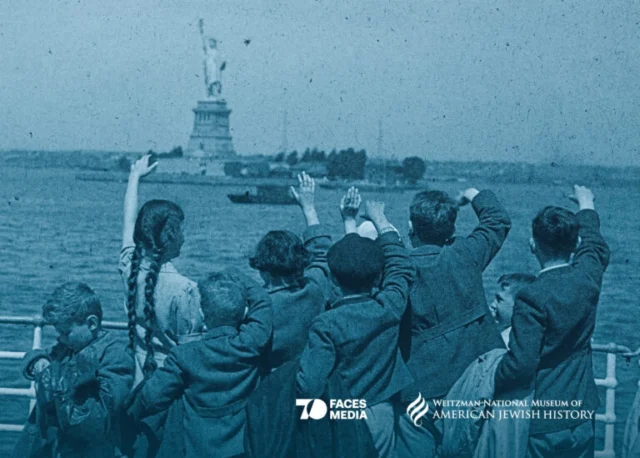
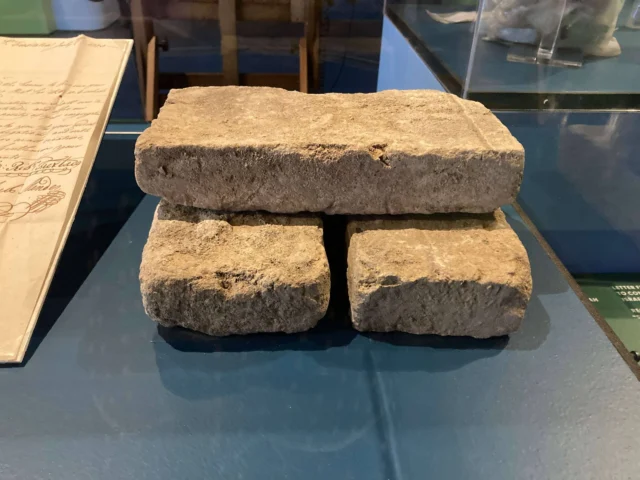
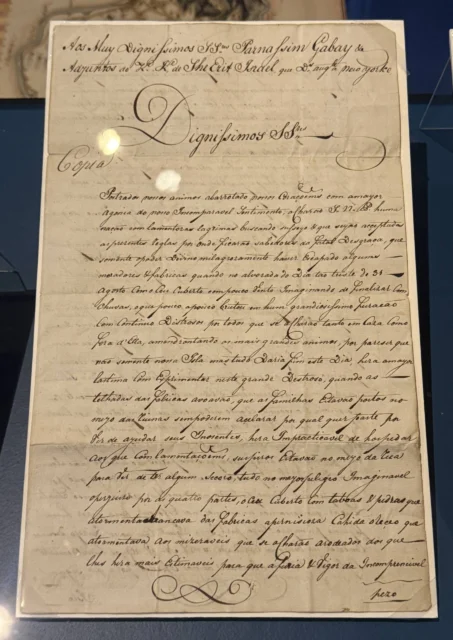
For happily the Government of the United States…gives to bigotry no sanction, to persecution no assistance.
– George Washington to the Jewish community of Newport, RI, August 1790
The Weitzman’s landmark exhibition marking America’s 250th will take you on an adventure through this fight for freedom as you’ve never seen it before. Filled with new information about the Revolutionary era, and steps from the Liberty Bell and Independence Hall in the historic district of Philadelphia, The First Salute is a thrilling exploration of how religious liberty, communal networks, and individual courage positioned Jews to play crucial roles in securing independence and shaping the nation. We welcome school and community groups for guided tours or educational programs throughout the week. Click here to learn more.
Add The First Salute to your “must-do things in Philadelphia for America 250”!
Admission to our groundbreaking America250 exhibition includes the Core Exhibition 1654-1945 and Only in America® Gallery.
Discount Family Packages ($56) are for families with 3 or more individuals over the age of 5.
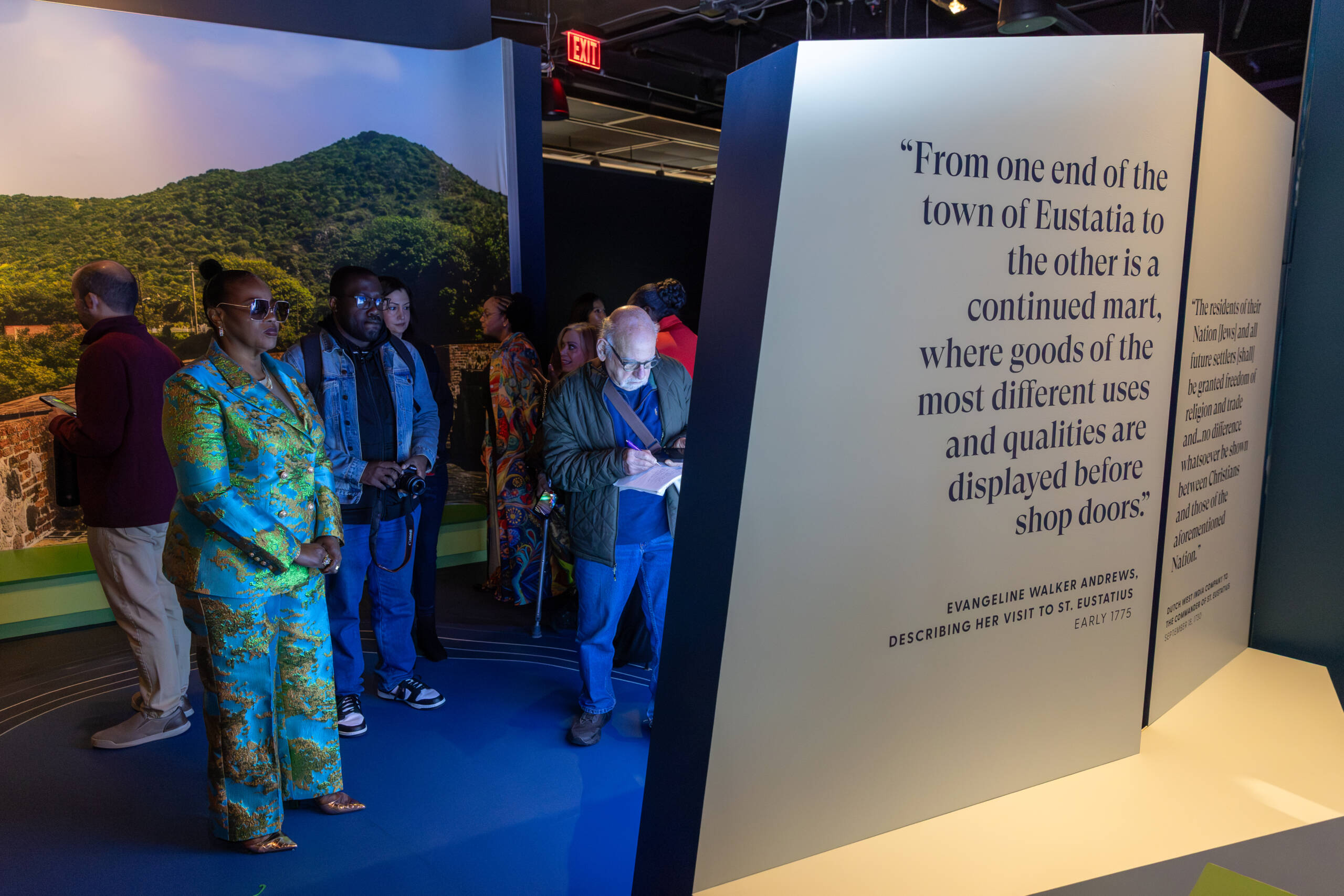
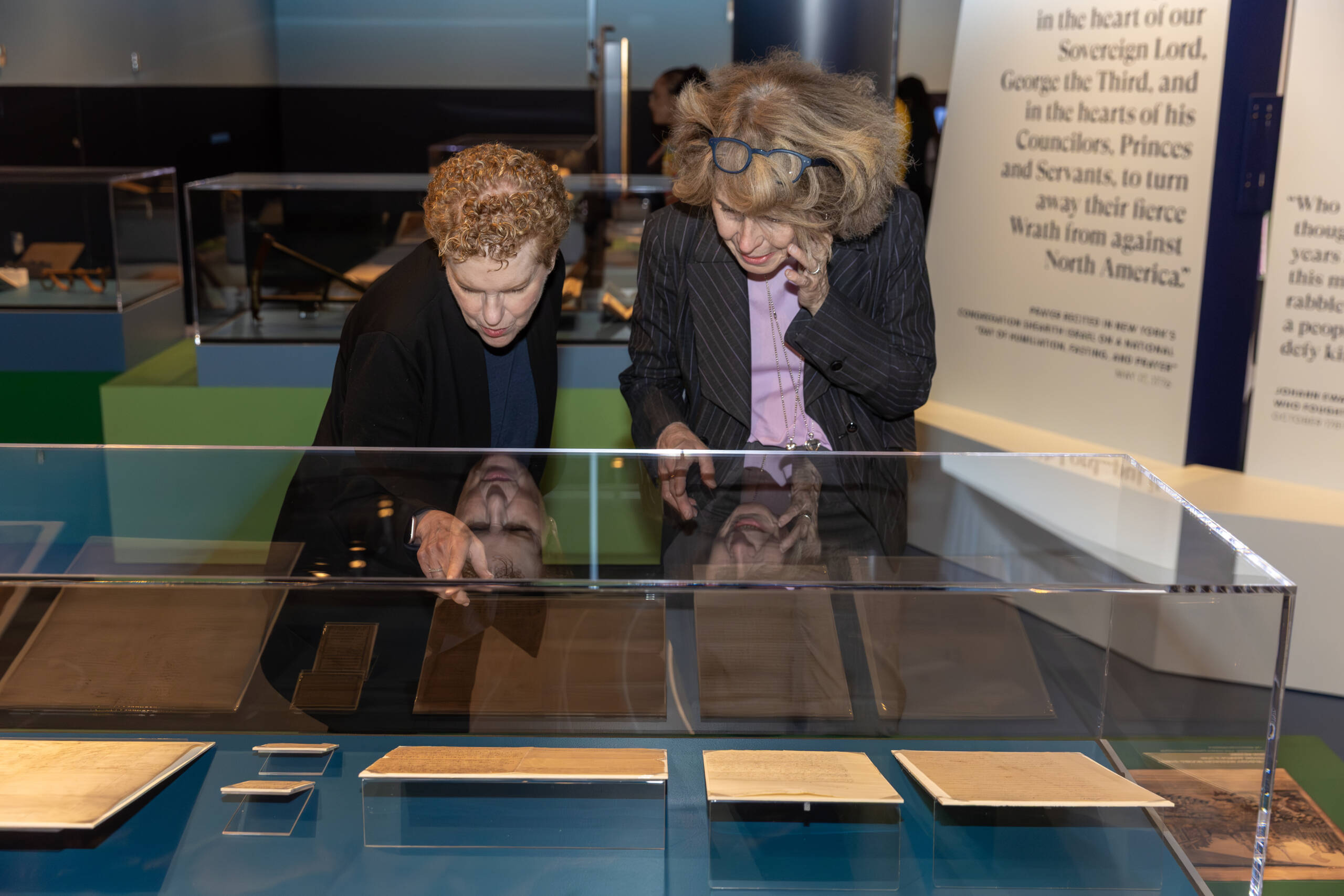
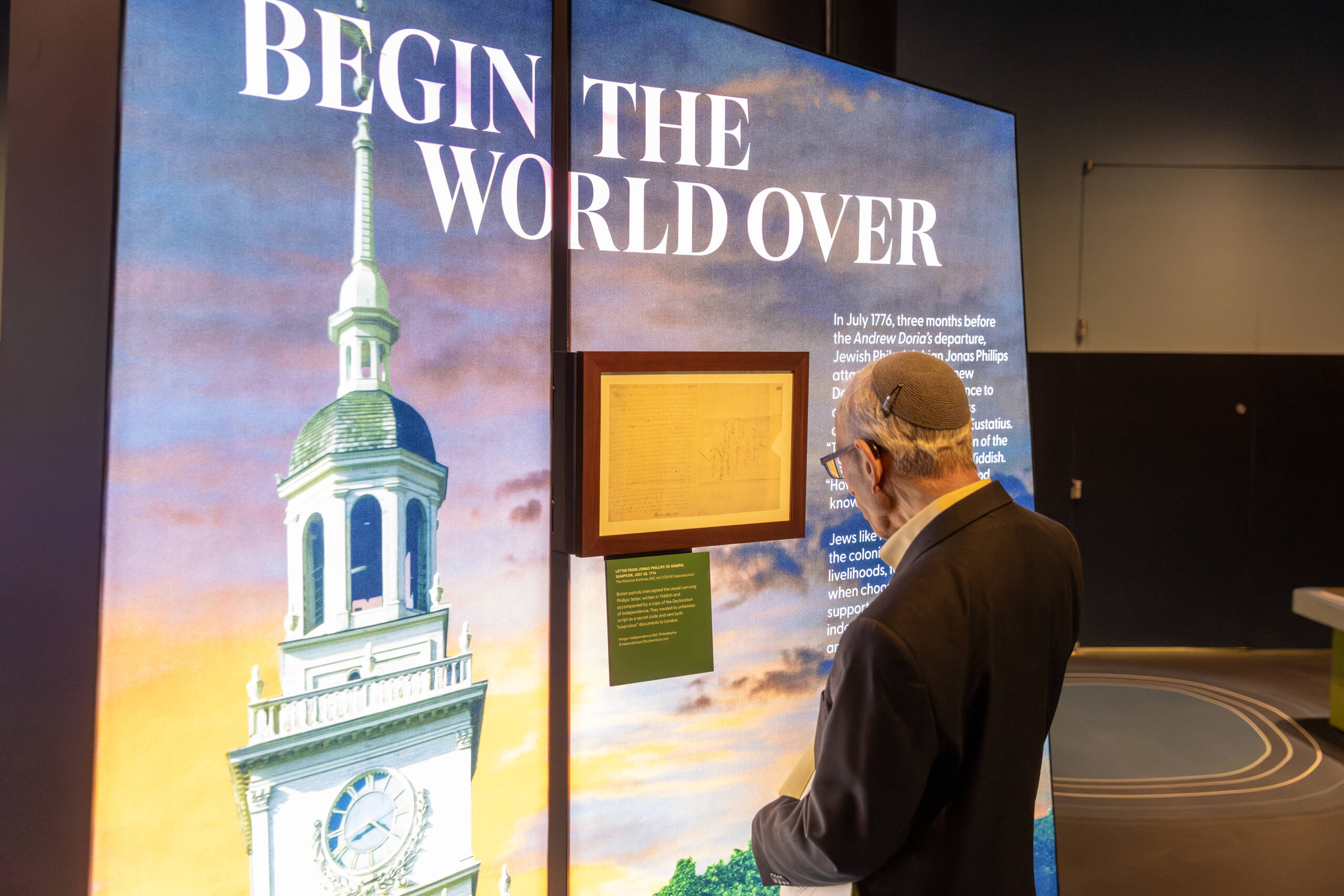
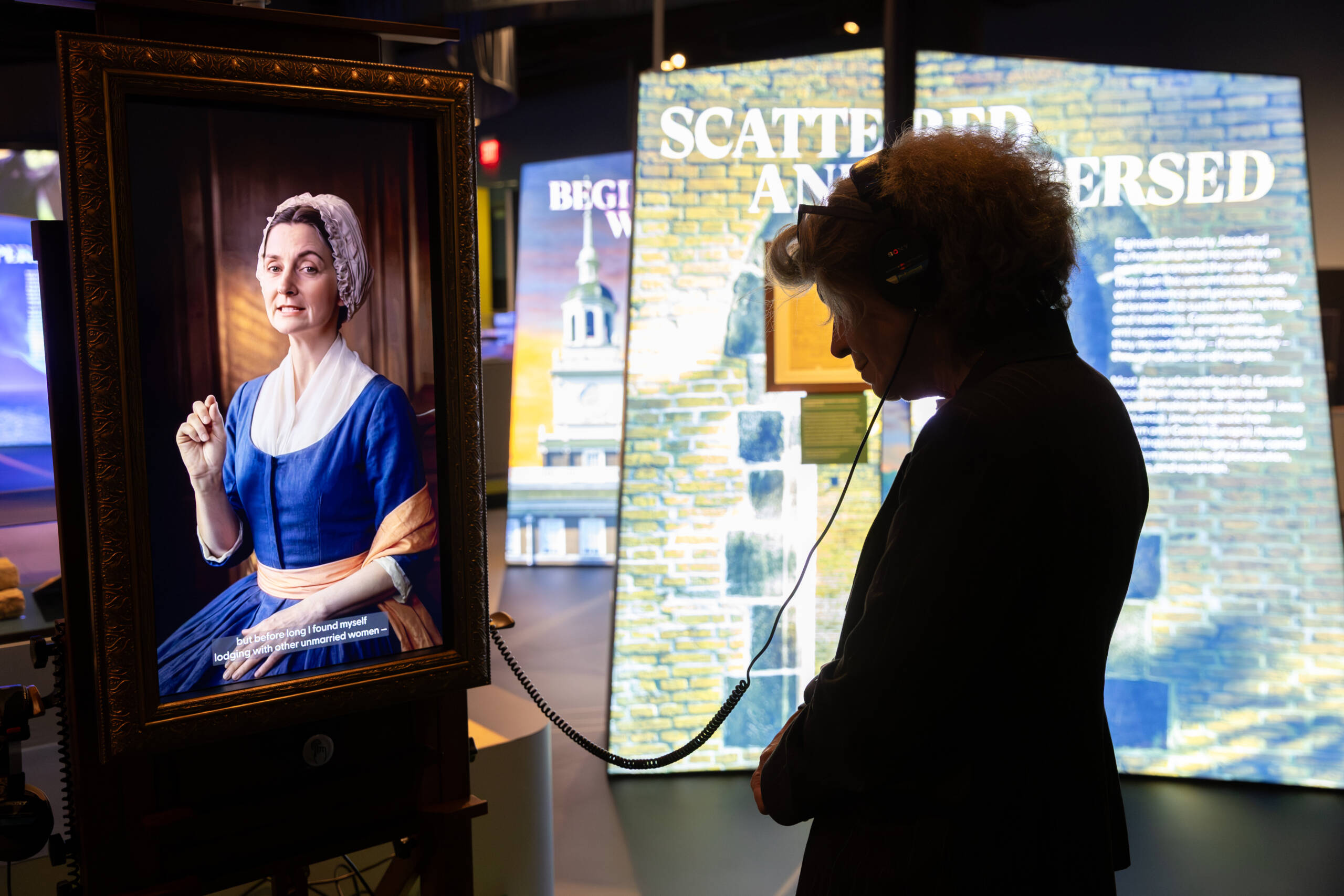
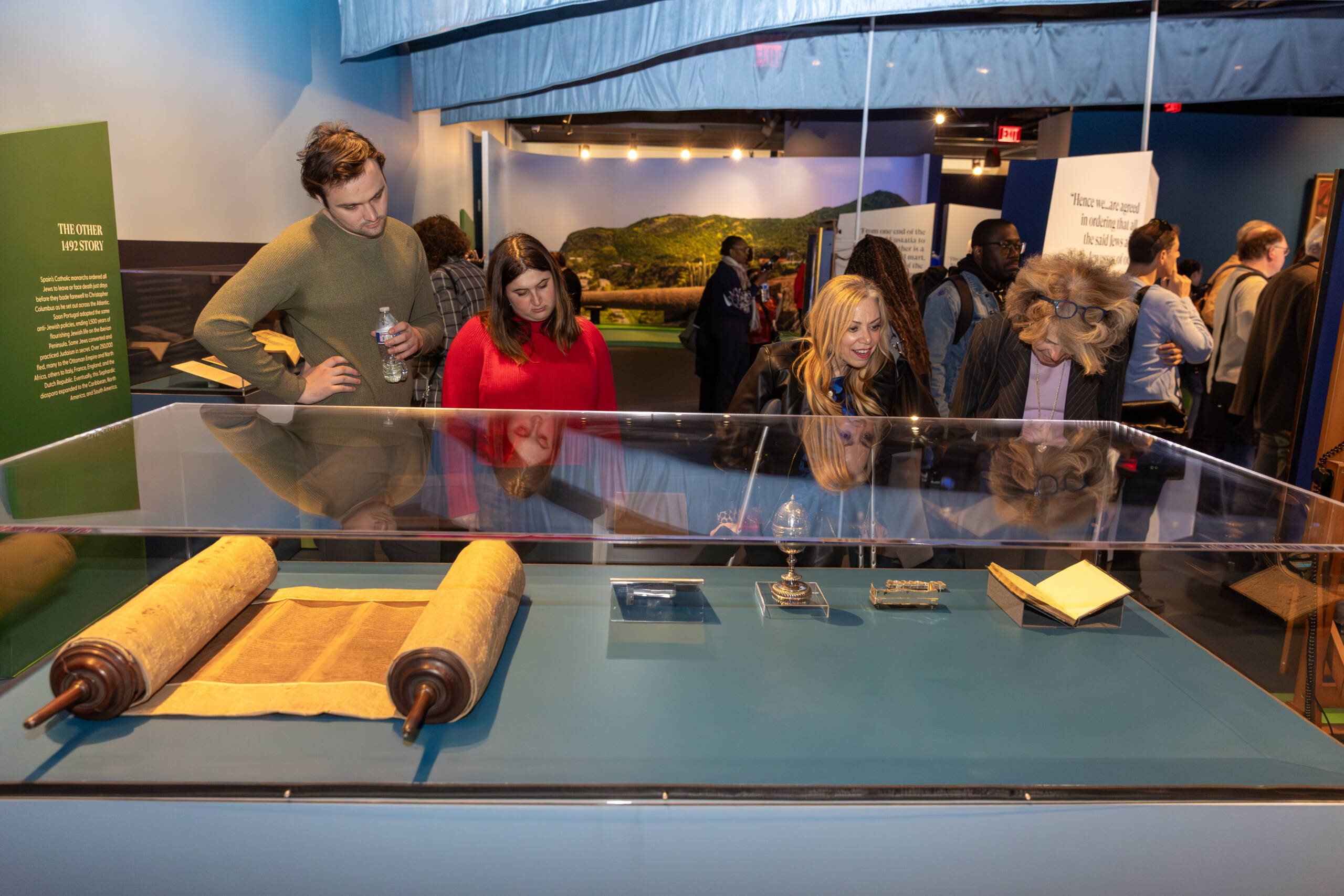
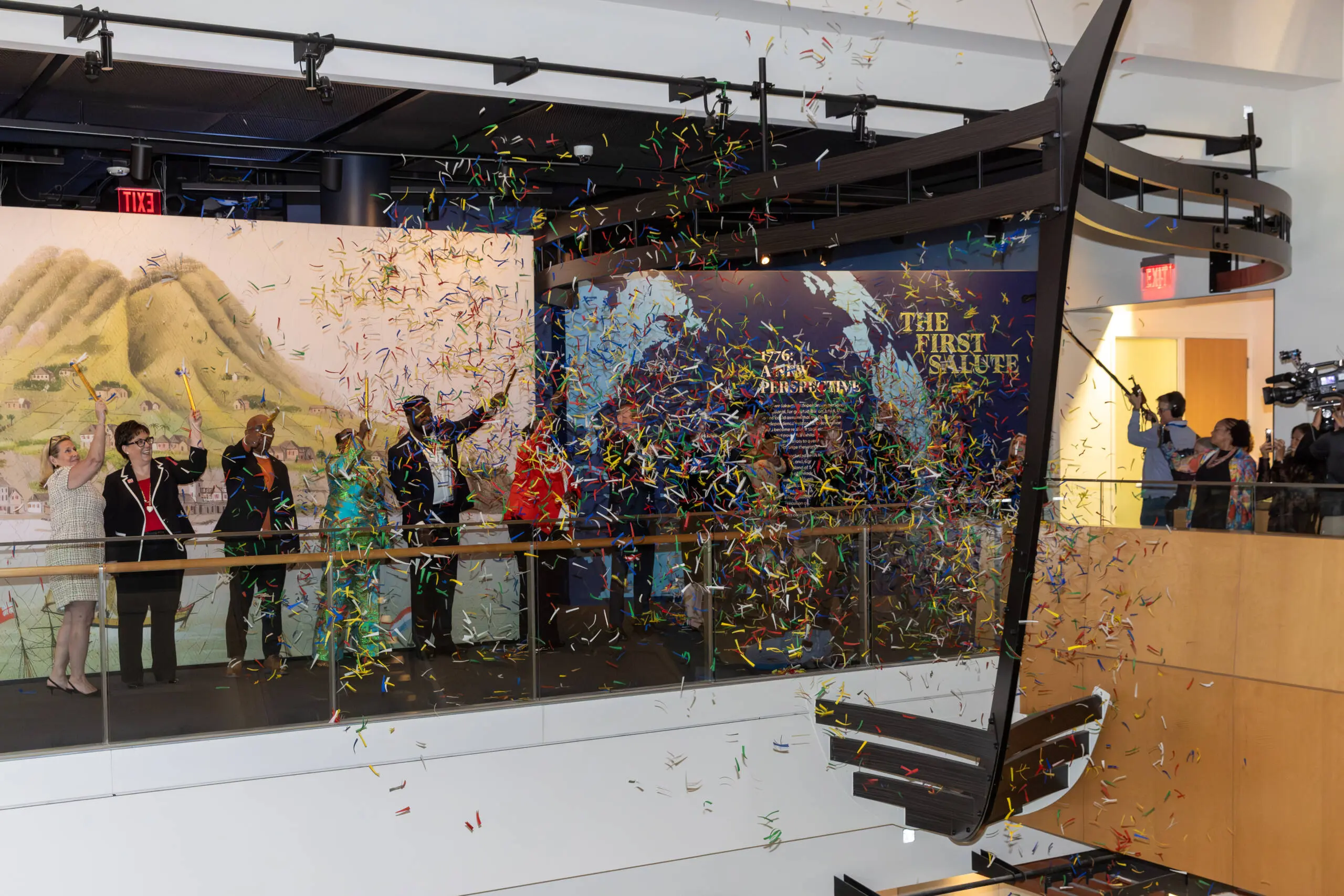
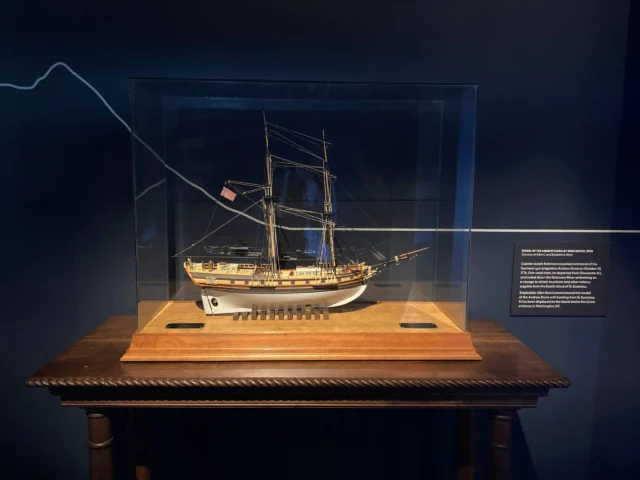
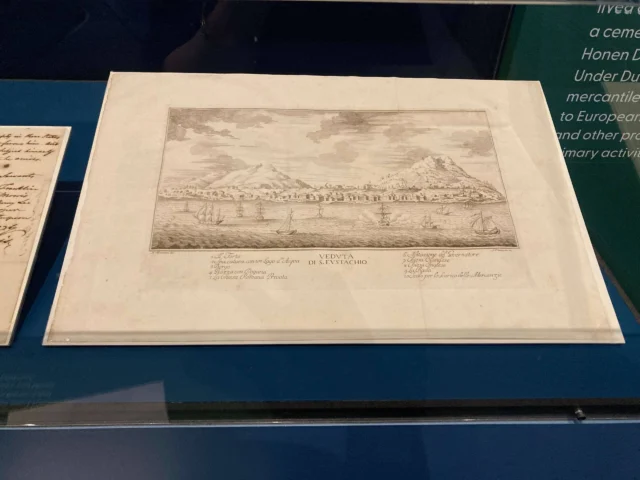
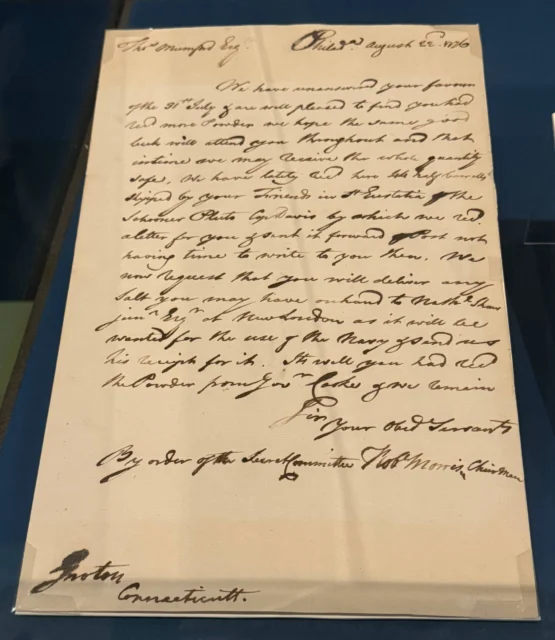
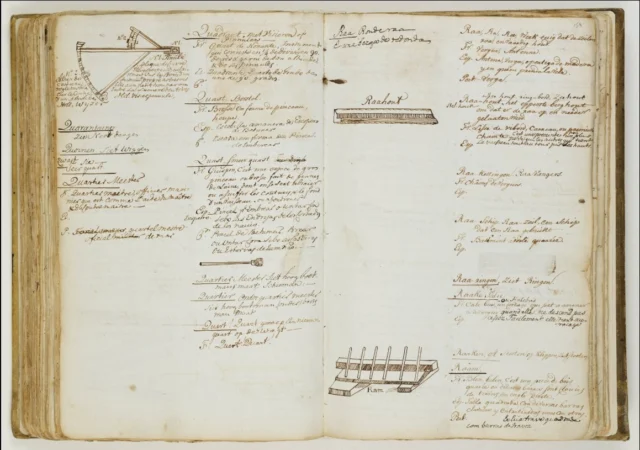
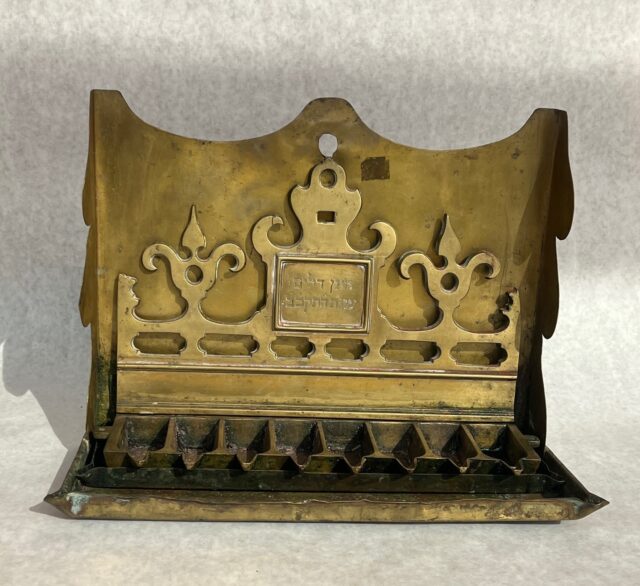
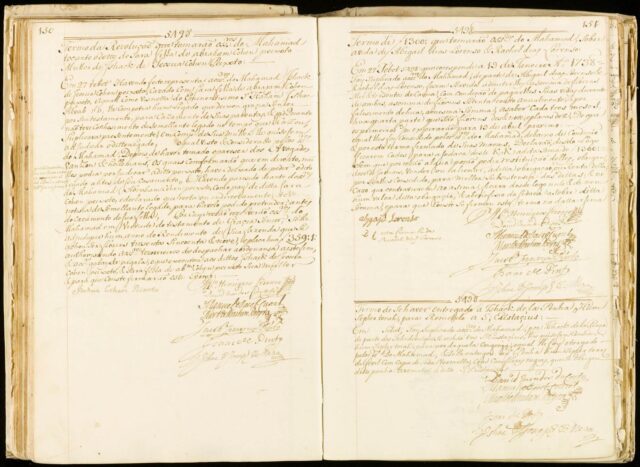
In the eighteenth century, Jews lived in many places in North America and Europe, including, the tiny, lush Caribbean island of St. Eustatius. There, 1,700 miles south of Philadelphia, Jewish merchants supplied countless tons of munitions to American revolutionaries. There, the United States received its first international recognition. There, a British admiral’s persecution of Jews led to a strategic error that helped determine the Revolution’s outcome. Below, explore some of the key artifacts and stories featured in The First Salute. Click on each of the four images to learn more–swipe to the right if you are using a mobile device.
History – along with favorable winds and tides – led directly to the Dutch colony of St. Eustatius. Nicknamed the “Golden Rock,” this Caribbean island, one-third the size of Manhattan, boasted one of the eighteenth century’s busiest ports, an international thoroughfare for sugar, coffee, tobacco, rum, hides, textiles, and enslaved Africans. When the Revolution broke out, new cargo began flowing through St. Eustatius: secret shipments of gunpowder, weapons, and supplies passing from European allies like Holland to American Patriots, often on ships owned or operated by Jews. Click on each of the four images to learn more–swipe to the right if you are using a mobile device.